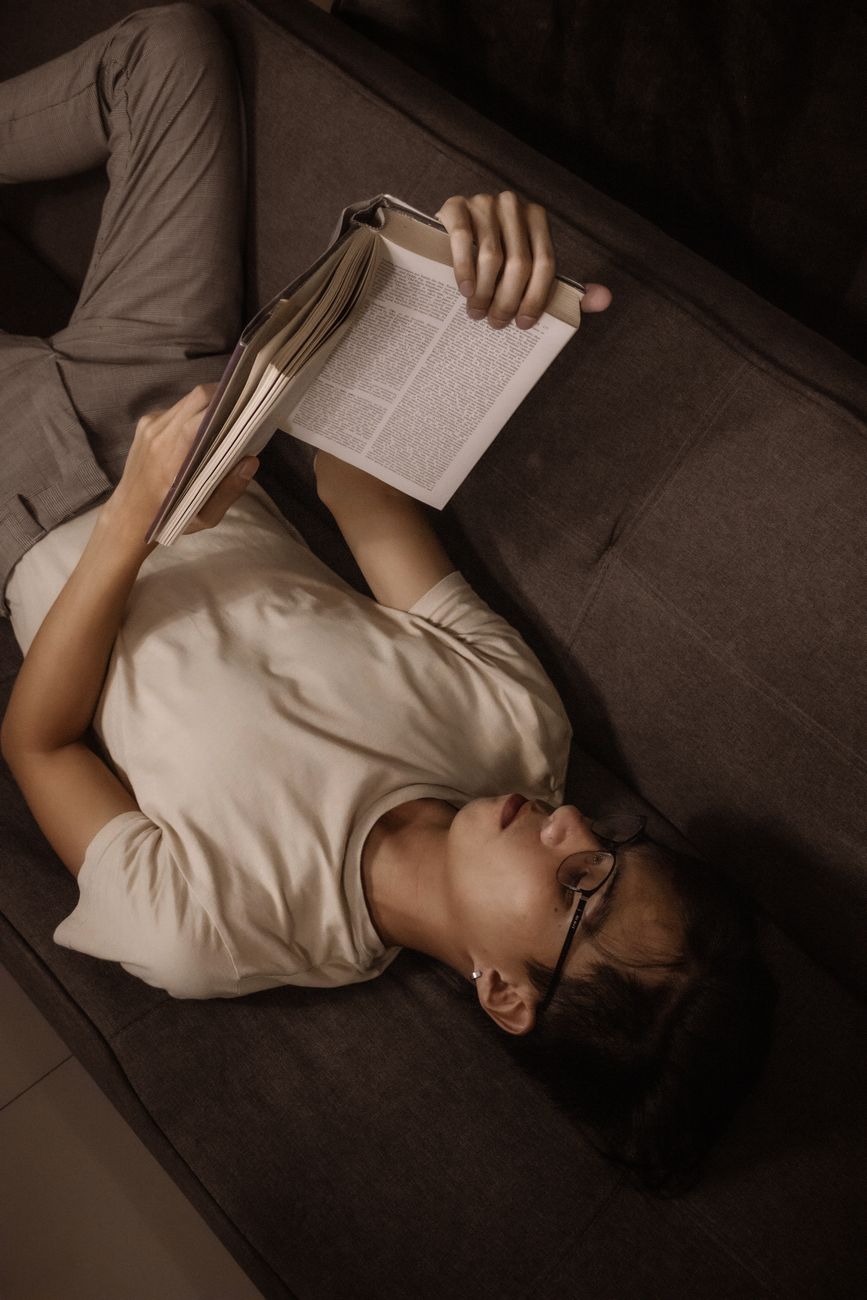
There is a before and an after.
Before, you read a book the way a normal person reads a book. You follow the story. You like the characters or you don’t. You turn the pages because you want to know what happens, and when something moves you, it just moves you, cleanly, without analysis, the way music moves you when you’re not thinking about the chord structure.
After, you can never fully go back.
Once you start writing seriously, something shifts in the way you read and it shifts permanently. The story is still there but now there’s a second layer of attention running underneath it, quiet but constant, noticing things. The way the author handled that transition. Where the chapter break landed and why. How they introduced that character in a single paragraph and made you feel like you’d known them for years. You’re reading the book and simultaneously taking it apart to see how it works, and you cannot turn this off. It is both a gift and a mild curse and every writer has it.
The gift part is obvious. Reading like a writer is one of the best educations available and it costs nothing but a library card. Every book becomes a lesson. The ones you love teach you what to reach for. The ones that don’t work teach you something more specific, because it’s easier to see the mechanism when it’s failing than when it’s running smoothly. A scene that drags tells you more about pacing than a hundred pages of advice about pacing. A character you don’t believe in teaches you more about how to build a convincing one than any exercise ever will.
You start to collect things. A sentence structure you’ve never tried. A way of moving between timelines that felt seamless. A dialogue exchange so good you read it twice, then a third time, then put the book down for a moment to think about how they did it.
The reading slows down. The books pile up. The margin notes multiply. None of this is productive in the conventional sense and all of it is doing something.
The curse part is that you lose a certain kind of innocence as a reader. The pure experience of a story, unmediated by craft awareness, becomes harder to access. You’re watching the magician and noticing the sleight of hand. Sometimes this happens at exactly the wrong moment, right in the middle of something that was working, and you surface out of the story briefly to think about structure and then have to find your way back in.
Some books become unreadable once you’ve developed enough to see what’s wrong with them. Things you loved before you started writing can look different after, not because the books changed but because you did. This is not always a comfortable feeling.
But here is the thing that took me a while to understand. The writers who read most carefully are not the ones who enjoy reading least. They’re the ones who love it most ferociously, who take it seriously enough to want to understand it from the inside, who can’t encounter a piece of writing that moves them without wanting to know why.
The analysis doesn’t kill the feeling. It runs alongside it. You can be genuinely moved by a sentence and simultaneously aware of exactly why it works. Both things are true at once. The craft knowledge doesn’t replace the emotional response. It deepens it.
Reading like a writer means you’re never just a passenger. You’re always, in some small way, in conversation with the person who made the thing. Noticing the decisions. Respecting the ones that worked. Learning from the ones that didn’t.
It’s a strange way to read a book. It’s also the best way I know.
Leave a Reply